Plots, Rotas and Reliable Mates: Grow a Gaming Crew the Allotment Way
Every gaming group has a group chat that behaves like an abandoned greenhouse: a few hopeful shoots, a lot of dry soil, and one person asking “anyone on tonight?” into the void. The problem usually isn’t that your mates have fallen out of love with games. It’s that the group has no structure beyond the occasional burst of enthusiasm. Enter the allotment society.
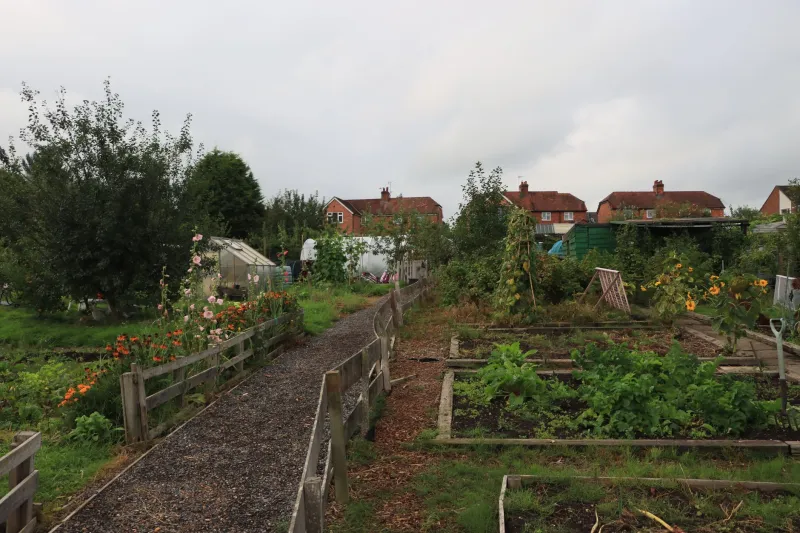
British allotments have survived for generations on a simple set of rules: small plots, shared work, realistic seasons and a committee that meets for ten minutes and then gets out of the way. Apply that logic to your friend list and something quietly brilliant happens. You stop chasing the perfect seven-player mega-session and start growing a crew that actually turns up.
Stop treating the group chat as the plan
A group chat is excellent for banter and terrible for logistics. It rewards whoever shouts loudest and punishes anyone who dares to have a job, a family or a train to catch. An allotment society doesn’t run on vibes. It runs on a noticeboard, a rota and the shared understanding that nobody wants to be the one who leaves the greenhouse door open.
So give your gaming crew a noticeboard. That can be a pinned message, a shared calendar or a simple note titled “The Plot”. Put the next three sessions on it, not the next thirty. Keep it visible. Keep it short. If someone can’t make it, they can see the plan without scrolling through forty memes about a cursed controller.
Start with one small plot, not a grand design
The classic mistake is trying to launch a five-night-a-week club before anyone has managed two Fridays in a row. Allotment gardeners don’t plant the whole field in March and hope for the best. They start with a bed or two, see what takes, and expand when the soil is ready.
Pick a single recurring slot. A fortnightly Thursday, a Sunday afternoon, a Saturday morning before the football. Two hours, not five. Make it the same slot for six weeks and call it a trial plot. If it works, keep it. If it doesn’t, move it. The point is to create a rhythm that people can build around, rather than a heroic one-off that everyone enjoys and nobody repeats.
The rota is the whole game
One person should not be the host, scheduler, referee, tech support and snack manager. That is how a hobby becomes unpaid administration. Allotment societies share the load because the alternative is one exhausted secretary and a shed full of resentment.
Build a tiny rota. Week one, someone hosts the lobby and picks the game. Week two, someone else sends the reminder and sets up voice chat. Week three, a third person chooses the warm-up. Nobody has to be brilliant at all of it. They just have to do one small job.
This also solves the “what are we playing?” spiral. The host of the week chooses. Not forever, not as a power grab, just for that session. Next time it is someone else’s turn. You get variety without a committee meeting, and you stop defaulting to the same four games because nobody wants to be the one to suggest something new.
Seasonal goals beat endless ranked grinds
Allotments have seasons for a reason. You do not expect tomatoes in January, and you do not panic when the plot looks quiet in February. Gaming crews could learn a lot from that.
Give each six-week block a gentle theme. Maybe it is “finish a co-op campaign”, “try one new genre each week” or “learn a fighting game together without anyone getting launch-day angry”. It does not need to be a league. It does not need a spreadsheet. It just needs a shape.
Seasonal goals are especially useful for time-poor UK players who cannot commit to a permanent ranked grind. A short block with a clear end is easier to say yes to than an infinite ladder. And when the block ends, you can all stop without guilt, have a cuppa and decide what to plant next. That is not failure. That is crop rotation.
Leave room for fallow weeks
This is the bit most groups get wrong. They schedule every week, then feel guilty when work, weather, kids or simply low energy get in the way. An allotment has fallow beds. It has weeks when the only job is to turn up, look at the sky and go home.
Build in a fallow week once a month. No game is scheduled. Anyone who wants to play can post in the chat, but there is no expectation, no roll call and no passive-aggressive “so we’re not playing then?” message. Fallow weeks protect the group from becoming another obligation on a tired Tuesday.
They also make the active weeks feel better. A regular session is easier to enjoy when it is not the only thing standing between you and the feeling that you are falling behind.
The ten-minute committee meeting
Once a season, do a quick review. What worked? What felt like admin? Who is happy to host next block? Keep it to ten minutes. Do not turn it into a constitutional crisis about who picked the bad map in week four.
The goal is not perfect fairness or a legally binding charter. It is a light touch that keeps the plot tended. If someone has quietly stopped showing up, ask them once, kindly, whether the time still works. People drift for boring reasons: shifts change, commutes get longer, a new baby arrives. Give them an easy way back in.
A gentler harvest
Success is not a full lobby every single week. It is a crew that still exists after three months without anyone having to marshal it like a school trip. It is a group chat where the pinned message is useful, the rota is small and the fallow weeks are respected. It is the quiet knowledge that Thursday exists, and if you can make it, there is a plot with your name on it.
So next time the chat goes quiet, resist the urge to schedule a twelve-hour Saturday marathon. Put up one small sign instead: same time, same place, bring a game and a brew. Allotment logic says that is how things grow. Slowly, together and without anyone having to send a fourth reminder.