Pick Your Biscuit, Pick Your Job: The Pre-Match Ritual That Ends Role Squabbles
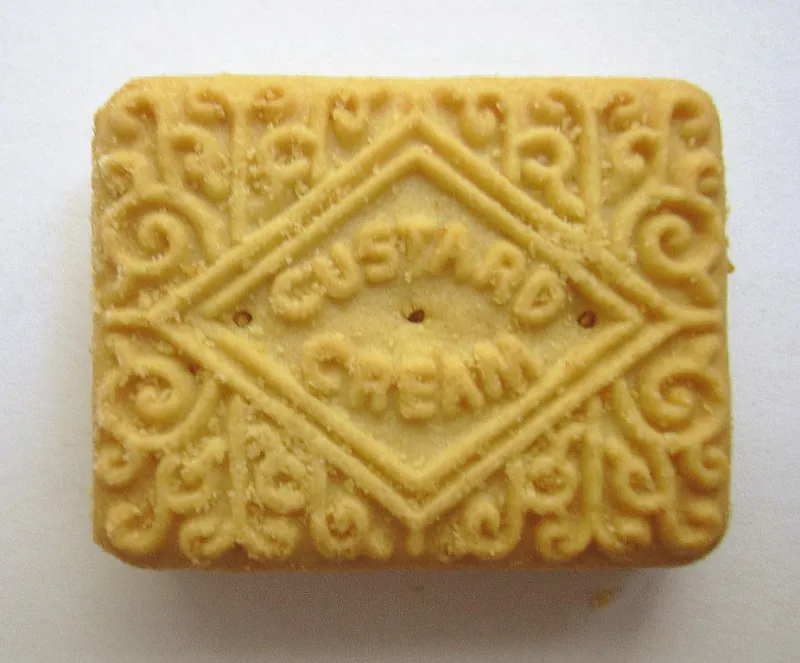
Photo: No machine-readable author provided. Loganberry~commonswiki assumed (based on copyright claims)., Public domain, via Wikimedia Commons
You know the scene. It is five minutes to kick-off, the lobby is filling up, and someone says they are going top. Then someone else says the same. Then a third. Within thirty seconds you have got three players arguing about the same lane, a support main quietly staring at the floor, and a tank wondering whether anyone remembers objectives exist. The match starts, everyone plays their favourite role badly, and you lose to a team that probably just communicated.
A biscuit draft will not fix every squad. But it is a surprisingly effective way to sort roles, callouts and responsibilities before the first match — without the ego clash. The idea is simple: instead of arguing about who gets the flashiest job, you pick a biscuit. The biscuit maps to a role. The role comes with a short list of jobs. Everyone can see the trade-offs. And because you are arguing about custard creams rather than who is the best fragger, the temperature stays low.
Why Biscuits Beat Bickering
Biscuits are a British social lubricant. Offering someone a cup of tea and a biscuit is how we say hello, sorry, and well played. A biscuit draft works because it takes a serious question — who does what — and wraps it in a ritual that feels daft enough to defuse tension. Nobody wants to be the person who storms out over a Rich Tea. That is the point.
The draft also gives you a shared language. Once your squad has agreed that the Bourbon is the flex player who fills gaps, you can shout switch to Bourbon in voice chat and everyone knows what you mean. It is faster than saying, can you please rotate to the off-lane and cover the flank while I reset. Short callouts win games.
Set the Table: Your Draft Kit
You do not need an actual spreadsheet, though if you have one, crack on. You need a list of five or six biscuits, a role for each, and a one-line set of responsibilities.
Here is a starter tin. Adjust to your game, your squad size and your tolerance for Jammie Dodgers.
- Rich Tea — support or utility. Jobs: track cooldowns, call the reset, keep the team topped up.
- Digestive — anchor or tank. Jobs: hold space, call the engage, be the person who says we are not chasing that.
- Bourbon — flex. Jobs: fill the gap, cover rotations, switch to whatever the team needs at half-time.
- Custard Cream — communications lead. Jobs: call the plan, repeat the plan, remind everyone what the plan was.
- Hobnob — entry or initiator. Jobs: make the first move, call the target, accept that you will sometimes get punished.
- Jammie Dodger — wildcard or flashy pick. Jobs: create chaos, take the highlight reel, do the extra homework on your own mistakes.
None of these biscuits is better than the others. That is the first rule. The Hobnob is not the captain. The Rich Tea is not the loser. They are jobs. If your squad cannot accept that, the draft will expose it, which is useful information before you queue.
Run the Draft in Five Minutes
- Pick an order. Randomise it. Someone shares a screen or just counts down. No dibs, no seniority.
- Each player picks a biscuit and reads out the responsibilities. If two people want the same biscuit, the second picker chooses a different one or swaps with someone who is willing.
- Write the final roles somewhere visible. A pinned message, a notes app, a whiteboard if you are that squad.
- Agree one secondary job per player. The Custard Cream should not be the only person calling rotates. The Digestive can own engage timing; the Bourbon can own flank watch.
- Set a review point. After two matches, ask whether the draft still fits. Swap if needed. The draft is a tool, not a life sentence.
The Mate Who Always Wants the Flashiest Role
Every squad has one. They want the Jammie Dodger. They want the highlight reel. They want to be the person who saves the day, and they are already drafting their montage in their head.
Do not fight them. Give them the role — with a condition. The flashy role comes with homework. The Jammie Dodger has to review one clip after the session, name one thing they could have done differently, and share it with the squad. Not to shame them. To make the role about improvement rather than ego.
If they still hog the ball, use the draft to offer a trial. They play the Jammie Dodger for three matches. Then the squad reviews. If the entry plays are creating space and the callouts are landing, great. If not, they swap to Bourbon for a match and see the game from a different angle. Most players learn more from one match as the flex than from ten arguments about who deserves the flashy pick.
Callouts, Not Crumbs
The real win of the biscuit draft is not the roles. It is the conversations. You end up talking about who calls the engage, who tracks the objective, who notices when the team is tilting. Those are the things that decide close matches.
Keep the language light. Use the biscuit names as shorthand. Ask the Custard Cream to call the next plan. Ask the Digestive whether the engage is on. Ask the Rich Tea to remind everyone about the cooldown. It sounds silly, and that is fine. Silly is memorable. Memorable is repeatable.
Keep the Tin Fresh
A draft is not a one-off ceremony. Rotate the biscuits every few sessions so nobody gets stuck in the same job. Let the person who always anchors try the flex role. Let the comms lead take a match off and listen. The squad gets more flexible, and the person who usually calls every rotate learns what it is like to follow one.
At the end of the night, hand out a totally arbitrary Biscuit of the Week. It can go to the player who made the best call, the funniest mistake, or the person who kept the mood up after a loss. The prize is a biscuit. The point is the recognition.
The First Match Starts Before the Lobby
You can spend the first ten minutes of every session arguing about roles, or you can spend five minutes picking biscuits and get on with the game. The biscuit draft is not a magic fix for a squad that does not want to communicate. But it is a brilliant excuse to start. Get the tin out, sort the roles, and save the arguing for whether the Custard Cream counts as a sandwich.