From Kettle to Killfeed: The Office Esports League That Fits in Your Lunch Hour
The British office lunch break has long been a sacred thing: a meal deal, a lukewarm brew and twenty minutes of pretending not to check your personal phone. But in more and more UK workplaces, that quiet hour is being soundtracked by controller clicks, team callouts and the unmistakable roar of a Rocket League own goal. Office esports leagues are having a moment, and unlike the dreaded mandatory fun day, this one might actually be fun.
The pitch is simple. You are not trying to build a semi-pro roster. You are using short, low-stakes games to give colleagues a shared challenge, a reason to talk to people outside their immediate team and a low-pressure way to practise communication. Think five-a-side, but with fewer excuses about your hamstring and more chance of a last-minute Mario Kart shell.
Why lunchtime beats after-work for most teams
After-work gaming sounds brilliant until you remember the commute, the childcare pickup and the fact that half the office lives forty minutes in the opposite direction. Lunchtime works because it is already carved out of the day. A thirty-minute window is enough for a couple of short matches, a quick debrief and a dash to the kettle before your afternoon meetings.
The key is to treat it as a break, not a secret training camp. The moment an office league starts feeling like a second ranked grind, people drop out. Keep sessions capped, keep them optional and keep the focus on the social side. If someone can only make one week in four, they should still feel welcome.
Pitch it as team-building, not a gaming club
Management rarely gets excited about the words 'esports league'. They do get excited about communication, inclusion, wellbeing and low-cost team-building. So lead with that. Explain that a four-week pilot will use existing meeting-room screens or staff devices, run for thirty minutes a week and finish with a short feedback form. Offer to handle the schedule, the rules and the chat channel. Ask for one room booking and a willingness to let people take their full break.
It also helps to be specific about cost. Most office leagues can run with what people already own: a console in the breakout room, a few controllers, a work laptop for a browser game or even a phone-based quiz game. If you need equipment, ask for a small pilot budget rather than a permanent setup. A trial is an easier yes than a new office institution.
Build a format that survives a lunch hour
A good office league is short by design. Aim for thirty to forty minutes including setup, two or three quick matches and a two-minute debrief. Good formats include 3v3 Rocket League, four-player Mario Kart, 2v2 EA FC, unrated Valorant or Overwatch custom lobbies, and party games like Jackbox if the goal is pure social mixing.
A simple four-week structure works well:
- Week one: mixed-team friendlies and a quick rules briefing.
- Week two: round-robin matches with rotating captains.
- Week three: a themed challenge night, such as only support roles or a random-character rule.
- Week four: finals, silly awards and a feedback form.
Keep one match day per week. Resist the urge to add extra practice sessions. The league should fit around work, not the other way round.
Set fair rules for mixed skill levels
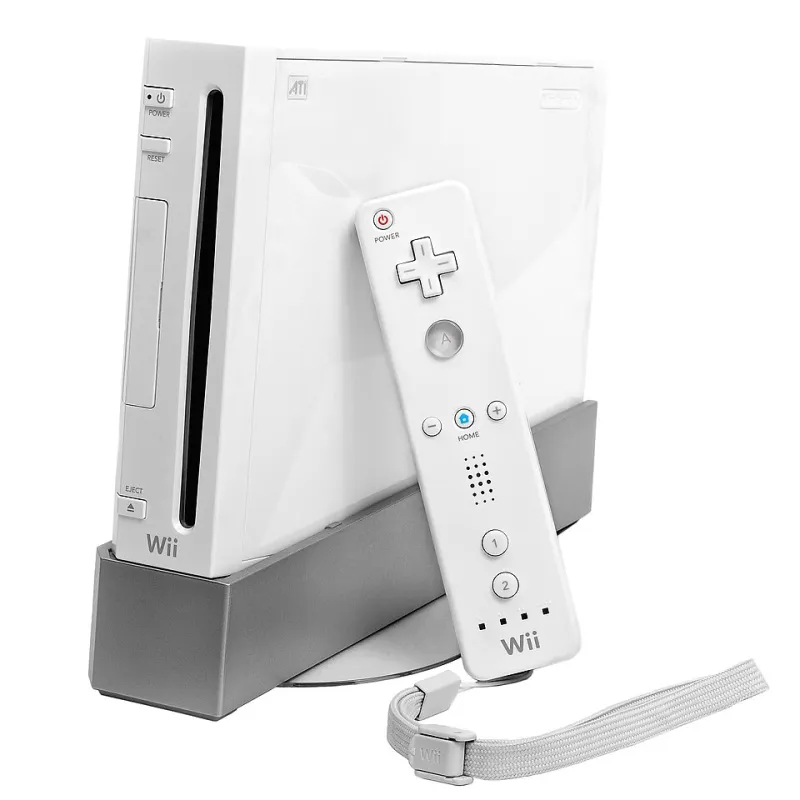
Every office has one person who is quietly very good and one person who has not held a controller since the Wii. The league only works if both want to come back. Use skill tiers, not rank shaming. Put people into broad groups such as new, casual and confident, then draft mixed teams so no single squad is stacked. Rotate captains each week and give newer players a clear, low-pressure role: hold the back line, call the next objective or run support.
Handicaps can help too. In racing games, give less experienced players a small head start. In shooters, use unrated modes or custom rules. Make it explicit that smurfing, account-swapping and 'just going easy' in a patronising way are all against the spirit of the league. The goal is a close match, not a highlights reel.
Keep the banter healthy when colleagues become rivals
This is the bit that separates a brilliant office league from an HR incident. Write a short code of conduct and pin it in the league channel. No rank shaming, no spoiling results, no passive-aggressive messages after a loss. Keep game chat in the game channel and keep work chat for work. A good rule is 'praise the callout, not the carry': after each match, each team names one thing the other team did well.
Banter is fine. It is part of the fun. But it should be the kind that makes everyone laugh, not the kind that makes someone mute themselves for the rest of the week. If someone is having a rough day, let them sit out without a lecture. The league is supposed to be a break from work pressure, not a new source of it.
Use the games to sharpen comms, not just reflexes
Short matches are surprisingly good for communication practice. Before each game, agree on one callout the team will use. After the match, spend two minutes asking: what information helped, what got missed and what would we change next time? That is it. No VOD reviews, no tactical essays. Just one small improvement.
This is where office esports earns its keep. People practise clear, calm comms under mild pressure. They learn to reset after a mistake. They discover that saying 'nice try, next round' is more useful than sighing loudly. Those habits travel surprisingly well to a Monday morning stand-up.
Keep it from becoming a second ranked grind
Cap the session. Use casual modes. Rotate the game every few weeks so nobody becomes the office specialist who sucks the fun out of the room. Do not make attendance mandatory. Do not create a ladder that follows people home. If the league starts generating more Slack messages than a project launch, it is time to simplify.
The best office leagues feel like a good pub quiz: competitive for twenty minutes, generous afterwards and easy to skip if life gets busy. That is the sweet spot. Get the kettle on, book the room and let the lunchtime league do the rest.