Two Pads, One Cuppa: How Couples Can Share the Sofa Without a Standoff

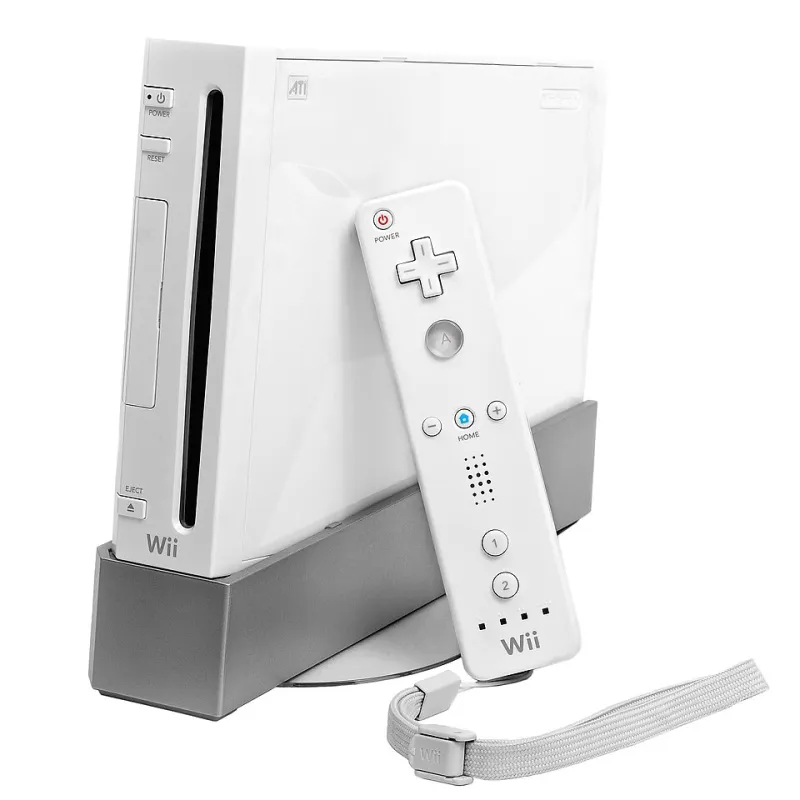
Photo: Sergey Galyonkin from Raleigh, USA, CC BY-SA 2.0, via Wikimedia Commons
There's a particular noise that follows a couple's first serious go at Overcooked. It's the click of a controller being set down with unnecessary force, followed by a very measured sentence beginning with 'I'm not being funny, but…'
Two pads, one sofa, one telly wedged into the corner of a terraced front room — it's the most British setup in gaming, and it's also where otherwise sensible relationships get tested by a badly timed onion chop. The good news is that co-op doesn't have to be a hazard. With a bit of planning and a shared sense of humour, it can become the best ritual in the house.
Choose the Game Around the Pair, Not the Hype
The single biggest mistake is picking a game because it's brilliant rather than because it's brilliant for both of you. If one of you lives in ranked shooters and the other plays Stardew Valley twice a week with a brew, dropping into something twitchy is a recipe for silent resentment.
Look for games where the two players aren't doing the same job. It Takes Two is the obvious starter because each level hands you different abilities, so neither of you is simply 'the one who's slower'. Unravel Two lets a confident player carry a bit of the load without making a thing of it. Portal 2 rewards the person who thinks before they move, which is often the one who doesn't play much. Mario Wonder is generous with its checkpoints, and the co-op ghosts mean a clumsy jump isn't a hard stop.
Save the high-stress stuff for when you're both in a good mood. Overcooked is an excellent game and a terrible first date.
Match the Pace Before You Match the Skins
In any game with exploration, the faster player sets the pace roughly never. Let go of the urge to sprint to the next objective and you'll find the other person actually starts enjoying themselves, which is the entire point of the exercise. If you're the one who knows the map, walk. Point things out. Don't sigh.
The same applies to difficulty. Most modern co-op games have generous accessibility options — damage reduction, no-fail modes, adjustable puzzle timers. Using them isn't cheating, it's matchmaking for two.
The Pause Button Is Diplomatic Equipment
A pause is not a defeat. If a section has gone badly three times in a row, stop pressing continue and talk about why. Nine times out of ten it's a communication problem rather than a skill problem: nobody said 'you take the left', so you both took the left.
Try declaring roles out loud. 'I'll do the jump, you keep the platform steady.' 'Mine, mine, mine.' 'Yours.' It sounds ridiculous, and it works, because half of couch co-op is just agreeing on what's happening on screen.
Say the Thing Before the Jump, Not After the Death
'You should have jumped' is a sentence with no future in it. 'Next time I'll count us in' is a sentence that solves the level. Shift your language from what happened to what happens next — it's the difference between a teammate and a commentator.
And if you're on the receiving end, resist the urge to defend the decision in real time. There's a reason professional players review footage later rather than mid-match.
Friendly Competition Needs Rules; Rows Don't
You can absolutely play against each other. Fighting games, racing games, Mario Kart with the blue shells switched on because you're both adults. But agree the shape of the contest beforehand: best of three, no 'one more' after a loss, loser makes the tea. The moment a match becomes an argument about who was cheating, the game has stopped being the point.
Also worth an actual conversation: whether ranked play belongs on the shared telly at all. Watching someone tilt through a losing streak is not a couples' activity, and pretending otherwise is how you end up eating dinner in silence.
Boundaries Nobody Has to Enforce With a Spreadsheet
Most UK households are working with one console, one screen and a nine o'clock alarm that hasn't moved since Tuesday. A few small treaties keep things civil:
- The twenty-minute warning. Whoever's turn it is gets a heads-up before the session ends, so nobody's yanked out of a boss fight mid-dodge.
- The shared save. If you're playing a story game together, don't touch it solo. Nothing kills a co-op run like one person finishing chapter four on a Tuesday afternoon.
- The weeknight cap. Long sessions belong to Friday and Saturday. A Tuesday night dungeon crawl always feels like a great idea until 7am.
Make It a Ritual, Not a Rota
Couples' co-op works best when it's a standing thing rather than a negotiation every time. Sunday afternoon with a pot of tea. Friday night after the takeaway. Same save file, same two characters, picked up where you left them.
Give it a proper name if you like. Ours is 'the truce'. It has survived a lot of badly timed onions, and it's the most reliable hour of the week.
And When It Does Go Wrong
It will. Someone will drop a ledge, someone will say something sharp, and the room will go quiet. That's fine. Put the pads down, go and make a brew, and come back with a small, specific apology rather than a grand one. Then restart from the last checkpoint and let the game do what it's actually good at: giving you something to do together that isn't the washing up.