Carts, Cash and Charity Shops: Hunting Retro Gold Without the Regret
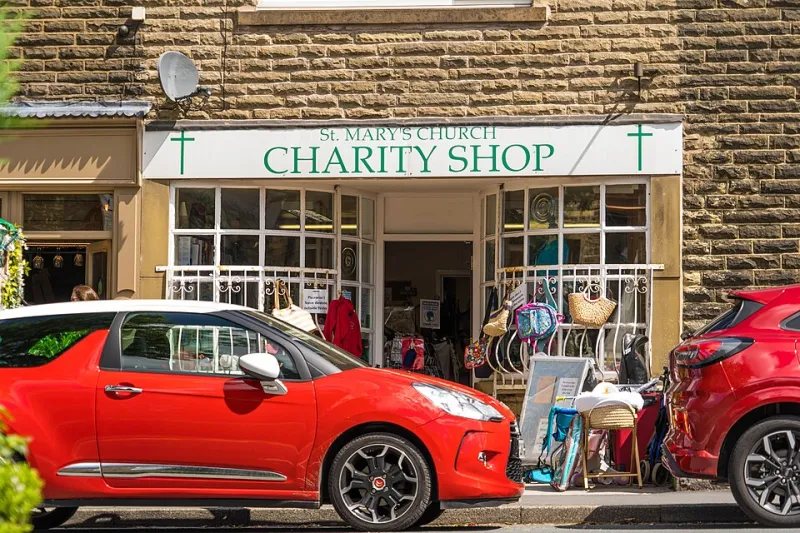
Photo: Claireneon, CC BY-SA 4.0, via Wikimedia Commons
Charity shops are not the backup plan for retro collecting. They are the side quest with the best loot table: low stakes, high surprise, and the occasional find that makes you text the group chat before you have even paid. In 2026, with retro prices still doing their usual impression of a runaway train, a sensible charity-shop run is one of the few ways to build a collection without feeling like you have been had.
The trick is not simply walking into every shop and grabbing anything with a Nintendo logo on it. It is knowing which shops are worth a weekly loop, how to check a cartridge in thirty seconds, and when to leave a 'bargain' on the shelf. This is the GoLevelUp field guide.
Why charity shops still matter in 2026
Online marketplaces have made rare games easier to find and much easier to overpay for. Charity shops are the opposite: stock is random, pricing is often delightfully naive, and the hunt is part of the fun. You are not competing with a bot refresh; you are competing with a bloke called Dave who got there at opening time.
That randomness is the point. A shop that had nothing but DVD boxsets last week can suddenly put out a box of Mega Drive carts because someone cleared a loft. The secret level-up is consistency. One sweep tells you nothing. A regular loop tells you which shops actually move games and which ones are just decorative.
The chain-by-chain field guide
British Heart Foundation
BHF shops are often well organised, which cuts both ways: staff may know what they have, and pricing can be firmer. Still worth checking for boxed PC big-box games, Wii titles and the occasional DS pile. Ask politely if they have games out back. Sometimes the answer is no. Sometimes it is a cardboard box and a very good afternoon.
Oxfam
Oxfam is the wildcard. Some branches have proper media sections; others have a shelf of Jeffrey Archer and a lonely FIFA 06. The book-and-media shops are the ones to bookmark. Oxfam can also price more carefully, so expect fewer absurd steals and more fair-but-not-stupid finds.
Sue Ryder, Scope and local hospice shops
These are where the weird stuff lives. Smaller shops do not always have a games strategy, so carts can end up in the toy section, the DVD shelf or a basket by the till. Check everywhere. A Game Boy cartridge does not care where it is displayed.
Independent and community shops
The best finds often come from churches, community centres and local hospices. Prices are usually low, stock is unpredictable, and the volunteers are often happy to chat. Be decent: do not haggle a £2 cartridge down to £1.50. You are not on a quest to defeat a pensioner.
Regional hotspots worth a train ticket
You do not need a specific postcode, but some UK high streets are denser with charity shops than others. Brighton, Leeds, Sheffield, Norwich, Glasgow, Cardiff and Belfast all reward a slow afternoon of mooching. University cities are good because student clear-outs keep stock moving. Market towns are good because attics keep giving.
Do not ignore suburbia. A quiet row of shops in a well-off area can be better than a city centre packed with specialists. The golden rule: the fewer retro dealers on the street, the better your odds.
The five-point cartridge check
- Label check. Look for fading, bubbling, reprints or a label that sits slightly wrong. A suspiciously crisp label on a scuffed shell is a warning.
- Shell check. Open the cart if the shop allows it, or at least inspect the screws. Cheap fakes often use wrong screws or shells that feel lighter and shinier than they should.
- Board check. For Game Boy and GBA games, a torch and a squint at the edge connector helps. Proper boards look tidy; fakes often look blobby.
- Water damage. Look for tide marks, rust on the screws, warped labels or a smell that says 'loft, then shed, then regret'. Water damage is often fatal.
- Manual and box. A complete copy is lovely, but do not dismiss a loose cart. A loose copy at £3 is still a win. A boxed copy at £30 because it has a manual is not automatically a win.
Fake-spotting without paranoia
Pokémon, Zelda and Mario carts are the usual suspects. If a GBA Pokémon game is priced at £4 and looks brand new, treat it as a puzzle, not a miracle. Check the label texture, the screw, the board and the font. Compare with known photos on your phone. If the shop has a returns policy, ask about it before paying.
What a fair find looks like in 2026
Common loose carts should still be pocket money: a few quid for licensed tie-ins, sports games and the usual suspects. Mid-tier games might be £8 to £15. Genuine rarities are the exception, and most charity shops will either underprice them blissfully or overprice them because someone checked eBay on their lunch break. Know your ceiling before you go in. A good find you do not need is still clutter.
The community bit
Do not clear the shelf just because you can. Buy what you will play or collect, and leave something for the next hunter. Chat to volunteers, tell them what you are looking for, and be the person they remember kindly when a box comes in. Share finds in local groups without turning every shop into a tip-off. The charity-shop scene works best when it stays a bit human.
Final save point
Charity shops will not fill your shelves overnight. They will give you a weekly excuse to leave the house, a few daft stories and the occasional cartridge that makes the whole loop worth it. Go early, check properly, pay fairly and do not be a menace. That is the real secret level-up.