Pens Down, Pads Up: Hosting a Gaming Quiz Round That Doesn't Lose the Room

Photo: Steve F, CC BY-SA 2.0, via Wikimedia Commons
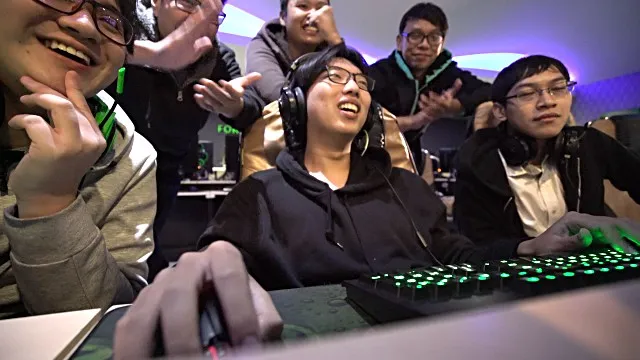
A gaming round at the local pub quiz is a bit like bringing a mate to a family wedding. If you spend the whole night explaining why they're brilliant, everyone else gets bored. If you ignore them completely, they wander off to the car park. Get it right, though, and the room discovers it's actually quite good fun having them there.
The trick isn't proving how much you know about gaming. It's building a ten-minute stretch where the regulars, the Sunday roasters and the team of teachers in the corner can all put pen to paper without feeling like they've wandered into a specialist convention. Here's how to write and host a gaming round that adds to the night rather than emptying it.
Start With the Question Everyone Already Knows
Every good quiz round has a tap-in. In a music round, it's the song everyone hums before the first chorus. In a gaming round, it's the character, console or game that has escaped the hobby and gone fully mainstream.
Which plumber has a brother called Luigi? Which block game is named after the Swedish word for 'builder'? Which blue hedgehog collects gold rings? These aren't clever questions, and they're not meant to be. They're handshakes. They tell the room, 'You know more than you think you do,' and they buy you permission to ask something slightly harder in two minutes' time.
One tap-in per round is plenty. Two is a warm-up. Three and the quiz starts to feel like a toddler's birthday party with a microphone.
Build a Ladder, Not a Wall
The classic mistake is writing a round for the people who already know the answers. That's not a quiz any more; that's a private conversation with an audience. A good gaming round should climb.
Think of each question as a rung. The bottom rung is general knowledge with a gaming coat on — Mario, Minecraft, Tetris, Sonic, maybe Pac-Man. The middle rung is where British gaming memory lives: the sound a dial-up modem made, the ritual of blowing into a cartridge, the specific disappointment of a demo disc that only had four playable minutes. The top rung is your bonus question: the one that separates the team who once owned a Dreamcast from the team who just really likes the film.
Here's the important bit: nobody should need the top rung to feel like they've had a good round. Put the hardest question last, label it clearly as a bonus, and let it be a bit of theatre rather than a gate. The room should groan when it lands, not go quiet.
The Bridge Question Is Your Secret Weapon
If you want to include proper gaming trivia without losing the room, learn the art of the bridge question. That's a question where the answer is famous even if the game isn't.
For example: 'Which company created the Game Boy?' Most people can have a go at that. 'Which game series features a character called Master Chief?' More niche, but the name has escaped. 'Which UK studio developed the original Grand Theft Auto?' That's a proper pub question: it sounds local, it sounds surprising, and it rewards the person who read the right article ten years ago.
Bridge questions work because they give non-gamers a foothold. They can reason, guess or remember a headline. And for the regulars, they still feel like a wink. Everyone gets a lane.
Read the Room, Not the Wiki
A pub quiz is live entertainment with answer sheets. The best quizmasters watch the room the way a comedian watches a front row. Are pens moving? Are people whispering? Has the table near the bar stopped ordering drinks because they're stuck on question four?
The moment you see flatlined faces, don't double down and explain the lore. Move on. Read the answer, add one line of colour — 'Nintendo, that one; they've been at it since the 1880s, originally making playing cards' — and get to the next question. A gaming round should feel like a brisk walk, not a lecture with a scorecard.
Also, watch your language. If you say 'RPG' and half the room thinks you mean a rocket-propelled grenade, you've lost them. Say 'role-playing game' the first time. If you mention a speedrun, add 'people trying to finish a game as fast as possible.' It's not dumbing down; it's hosting.
Pace It Like a Round, Not a Boss Fight
Eight questions is usually the sweet spot for a pub quiz round. Ten if the room is lively, six if you're on after the raffle and the landlord is giving you the eye. Keep each question under thirty seconds of thinking time. Read it twice, clearly, then let the pens scratch.
Don't stack the hard ones together. Don't put a picture round in the middle of a question round unless you've planned the paper. And please, please don't spend five minutes on the answer to question three. Nobody has ever left a pub quiz saying, 'I wish the quizmaster had gone into more detail about the development history of Donkey Kong.'
A good rhythm looks like this: easy, easy, medium, bridge, medium, hard, easy, bonus. The easy one at the end is a gift. People remember how a round finishes.
Nostalgia Is a Seasoning, Not the Meal
British gaming nostalgia is rich stuff: the ZX Spectrum loading screen, the Mega Drive vs SNES playground war, the family PC that lived in the spare room and made a noise like a jet engine. Use it, but don't drown the round in it.
A good rule is one nostalgia question and one modern question. If the room skews older, lean towards the consoles and arcades of the 1980s and 1990s. If it's full of students, throw in a question about a game that's popular right now. If it's mixed — which it usually is — write for the middle and let the edges enjoy the ride.
The Tie-Breaker Should Make People Laugh
If you need a tie-breaker, don't use a question with a single obscure answer. Use something that lets teams guess and argue. 'How many playable characters were in the original Mario Kart?' 'What year did the first Pokémon game come out in the UK?' 'How many buttons did the original Game Boy have?' These are close enough to reason about and silly enough to spark a debate. The best tie-breakers are the ones where losing teams still smile.
Host It Like You're Part of the Night
A gaming round works when the quizmaster sounds like they're sharing something, not testing it. Thank the room for having a go. Laugh when the answers are ridiculous. If someone shouts out the right answer early, don't scold them — use it. 'Good memory at the back; let's see if the pens agree.'
And keep the prize simple: a round of drinks, a bag of crisps, a novelty certificate. The point isn't to crown a champion. It's to give the whole pub ten minutes where gaming feels like part of the local furniture — something to chat about between the music round and the raffle.
Do that, and next time the landlord asks for a quiz round, you won't have to clear the room. You'll have to make it a regular fixture.